Why Whole Blood mRNA?
As advancements in next-generation sequencing (NGS) and digital pathology have evolved, the focus has often shifted to DNA and proteomics, leaving mRNA gene expression underappreciated. Traditional models of the Central Dogma—DNA to RNA to protein—may not hold true in the presence of mutated DNA, rendering DNA mutation profiling insufficient for accurately predicting cancer behavior and outcomes.
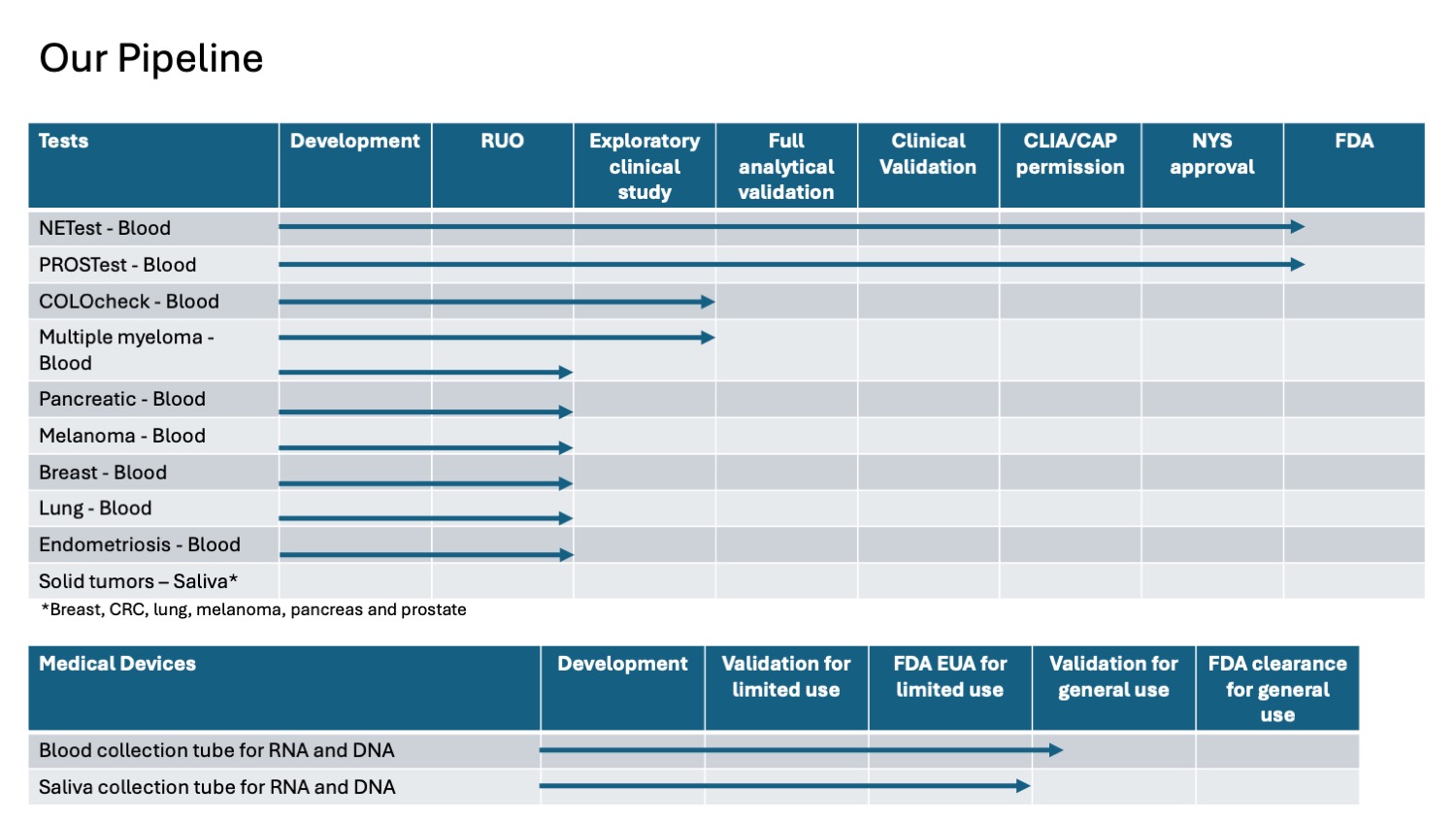
Recognizing the value of liquid biopsy, we have dedicated over a decade to researching mRNA expression as a vital biomarker in oncology and other diseases. Our slogan, “The Message Is In The Blood,” reflects this commitment.
Historically, tumor tissue has been the gold standard for biomarker analysis, but significant inter- and intra-tumor heterogeneity can lead to misleading results. Additionally, poor quality or insufficient nucleic acids can render many tissue samples unusable. Liquid biopsies provide a less invasive alternative, and we are currently exploring saliva as a complementary diagnostic medium.
Wren has developed a proprietary sample collection tube that stabilizes mRNA from whole blood, capturing a comprehensive spectrum of liquid biopsy information without the degradation risks associated with traditional methods.
Machine Deep learning algorithms, Artificial intelligence, AI, Automation and modern technology in business as concept.
Role of Machine Learning in Diagnostics
With the increasing adoption of NGS technology, whole exome, transcriptome, and genome sequencing generate massive datasets that exceed human interpretive capabilities. This data often remains underutilized in research due to challenges in bioinformatic analysis.
Machine learning (ML) has emerged as a transformative tool in medical diagnostics, enabling healthcare professionals to identify intricate patterns that are often invisible to the human eye. ML enhances early disease detection, improves diagnostic accuracy, and facilitates the creation of personalized treatment plans.
A key application of ML is in imaging analysis. Techniques like deep learning have demonstrated exceptional success in interpreting medical images such as X-rays, MRIs, and CT scans.
In vitro diagnostics (IVD) are also being significantly improved by ML, enhancing the accuracy and efficiency of tests performed on biological samples. By analyzing complex data from genomic sequences and gene expression profiles, ML algorithms can identify overlooked patterns, leading to more sophisticated predictive models for early disease detection and treatment monitoring.