
At Wren, we are dedicated to advancing healthcare through cutting-edge machine learning and liquid biopsy-RNA-based in-vitro diagnostics. Our focus is on detecting minimal residual disease, predicting and monitoring therapeutic responses, and providing precise prognostic insights for cancer patients.
Meet the Team
Our Leadership Team
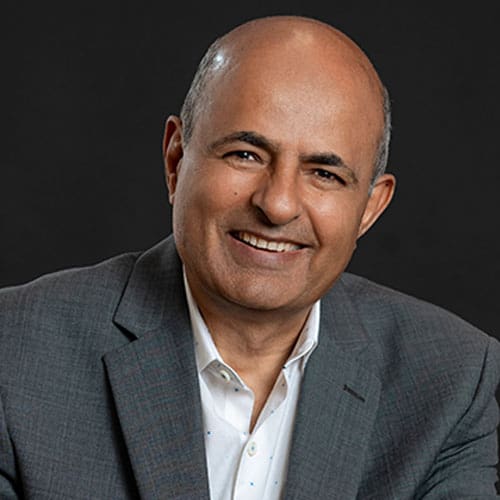
Dr. Halim, a Fulbright Scholar, is an executive and internationally recognized key opinion leader with over three decades of experience in biomarker and precision medicine for drug development and standard patient management.
Dr. Halim is one of only four lab professionals in the US who are triple board certified in Molecular Diagnostics, Clinical Chemistry, and Toxicology, and is licensed and recognized as a CLIA clinical lab director in all US 50 States including NY, NJ, FL, and TN across several specialties. He is one of only two persons worldwide accredited by the FDA as a third-party reviewer of the largest list of IVD 510K submissions in all classes of IVDs.
Dr. Halim led the biomarkers, translational research and precision medicine aspects in 150+ PI-PIII clinical trials belonging to 50 development programs in oncology, immune-oncology and other therapeutic areas. He has led 12 end-to-end registrable CDx programs as LDT or universal IVD; from rationale to regulatory submissions and implemented LDT-based patient selection in 30+ PI-PII exploratory trials. He oversaw the development and validation of hundreds of assays on different technologies and their applications in drug development and/or patient care and has championed two drug and several medical device approvals in the US and other countries.
Dr. Halim holds a Pharm D, two master’s degrees, a PhD in Cancer Molecular Biology, and two fellowships in cancer diagnostics and molecular pathology. He is world-class expert in drug and device regulations and guidelines in the US, EU, and other countries and has served as KOL on 25+ governmental and public expert panels and advisory boards in US, Canada & EU.
In addition, Dr. Halim has published over 70 peer-reviewed articles, three book chapters, and a single-author reference book on biomarkers, precision medicine, and diagnostics in drug development. He has also served on over 20 CLSI committees to create clinical and laboratory guidelines, authoring 12 of those guidelines.
Dr. Halim is committed to transforming Wren into a “best-in-class” oncology IVD provider to clinical trials and standard of care.

Mark Kidd, Ph.D., DABCC, has dedicated his career to advancing molecular diagnostics in Neuroendocrine Tumor (NET) and other cancer indications including prostate, pancreatic, colorectal, lung and melanoma. As the Scientific Director of Wren Laboratories, he brings over twenty years of experience in molecular and cancer biology. With credentials from the American Board of Clinical Chemistry in Molecular Diagnostics, Dr. Kidd ensures the highest standards of accuracy and reliability in molecular-based diagnostic testing with a focus on liquid biopsy. In addition to his role as Scientific Director, he serves as the CAP- and CLIA-certified laboratory director and technical consultant for Wren Laboratories.
Dr. Kidd’s research focuses on the biology of cancer, gene signaling and developing cell line and animal models for tumor development and progression. He has contributed to more than 20 clinical studies to validate different gene expression multiplex panels as diagnostic, prognostic and predictive biomarkers.
Dr. Kidd has 233 peer-reviewed articles and reviews, and 41 book chapters and 3 books on the history of medicine. His work is marked by a commitment to advancing cancer biology and improving diagnostic methods. Dr. Kidd’s contributions have been instrumental in driving innovation and enhancing the quality of molecular diagnostics.

Dr. Koduru is a cancer biologist and molecular diagnostics scientist with 19+ years of experience in cancer biology, genomics, transcriptomics, biomarker development, and machine learning. At Wren Laboratories, he helped establish Wren’s transcriptomics and AI/ML capabilities and computational development of its RNA-based liquid biopsy assays.
His work supports Wren’s clinical and research programs, including PROSTest® for prostate cancer and NETest 2.0® for neuroendocrine tumors, as well as ongoing programs in colorectal, pancreatic, lung, and bladder cancer.
Dr. Koduru contributes across the full molecular diagnostic development lifecycle, from biomarker discovery and assay development through machine-learning model development, clinical validation, and reporting. He identifies candidate biomarkers by data mining and analyzing large-scale transcriptomic datasets, evaluates them through computational studies, and validates selected targets using qPCR and clinical specimens. These biomarkers are then incorporated into interpretable machine-learning models designed for diagnostic classification, prognosis, and treatment-response assessment.
He also contributes to the validation of Wren's NucliSafe™ whole-blood and saliva collection technologies under GMP and ISO quality systems. In addition, he built automated analysis and reporting systems that convert raw molecular data into standardized clinical reports at scale.
His research extends beyond cancer detection and prognosis to treatment-response prediction. This includes the development of a whole-blood molecular classifier designed to predict response to Lu-PSMA radioligand therapy in patients with advanced prostate cancer.
Dr. Koduru’s computational approach emphasizes both validation and biological interpretability. He uses explainable AI methods, including SHAP, to help connect model predictions with the genes and biological pathways underlying each classification.
He has authored more than 55 peer-reviewed publications, received more than 4,450 citations, and contributed to more than 80 scientific conference presentations.
Areas of Expertise
• RNA-based liquid biopsy and cancer biomarker discovery
• Bulk, single-cell, and spatial transcriptomics
• Next-generation sequencing and gene-expression analysis
• Explainable machine learning for diagnostic classification
• Biomarker selection, model development, and clinical validation
• Assay development in CLIA/CAP and GMP/ISO environments
• Automated bioinformatics pipelines, dashboards, and clinical reporting
• Translational research, treatment-response prediction, and precision oncology

Dr. Ignat Drozdov, MBChB, PhD is a clinician scientist with an interest in Artificial Intelligence and clinical decision support. His research is focused on the design, development, and validation of Artificial Intelligence algorithms across a broad spectrum of clinical applications, ranging from molecular diagnostics and theranostics to radiology.
Dr. Drozdov authored over 100 peer-reviewed articles and reviews and has developed and commercialized FDA- and CE-cleared AI products for population health and clinical radiology. Ignat trained as a Medical Doctor and has a PhD in Computational Biology from King’s College London.
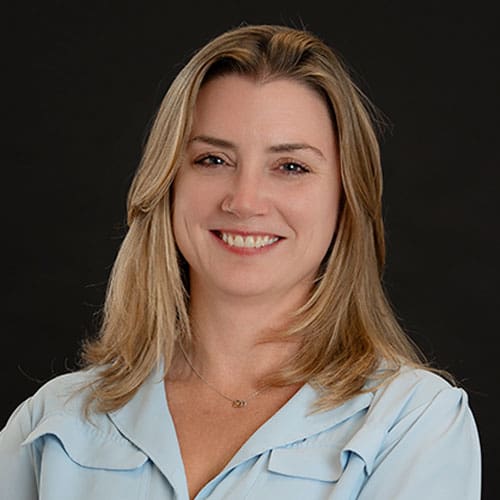
Tracy is an experienced clinical laboratory scientist, with over 20 years in different bench, managerial and operation roles at research and clinical laboratories, with the majority of her professional time was at AmeriPath Northeast . Tracy is overseeing all analytical and operational aspects at Wren and she coordinates staffing and daily workflow. Tracy ensures the implementation of all applicable laboratory standards to maintain the laboratory’s CLIA, CAP and NYSDOH certifications.
Tracy is certified by the American Society of Clinical Pathology (ASCP) and an active member of the Association of Genetic Technologists (AGT). A graduate of the University of Connecticut’s Diagnostic Genetic Sciences Program, her professional interests have focused on cytogenetics and fluorescence in situ hybridization (FISH) in oncology. More recently, she has focused on liquid biopsy and PCR-based assays.
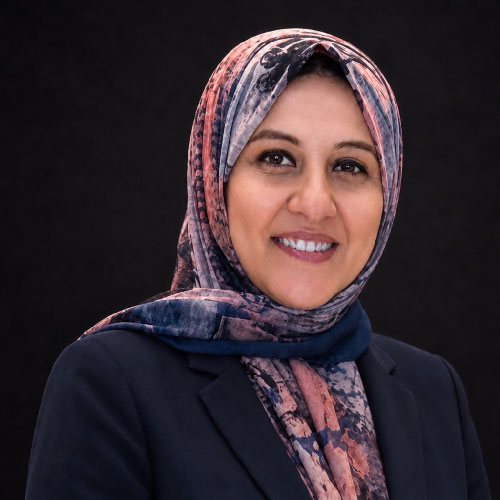
Heba Ibrahim serves as Director of Quality Assurance at Wren Laboratories, where she leads the company's Quality Management System (QMS), regulatory compliance, accreditation readiness, and continuous quality improvement initiatives. She brings more than 15 years of experience in healthcare quality management, clinical laboratory operations, and regulatory compliance across clinical laboratories, physician office laboratories, pharmacies, and medical device quality systems.
Ms. Ibrahim is an accomplished quality professional with extensive expertise in designing, implementing, and maintaining quality systems that comply with CLIA, CAP, ISO 15189, ISO 9001, ISO 13485, ISO 17025, COLA, Joint Commission, and New York and New Jersey state requirements. Throughout her career, she has led quality improvement initiatives, developed quality management programs, established standard operating procedures, managed internal and external audits, and successfully directed corrective and preventive action (CAPA) programs.
As an IRCA-certified ISO 9001 and ISO 14001 Lead Auditor, ISO 15189 Auditor, and CAP Inspector, Ms. Ibrahim has participated in more than 150 laboratory inspections and accreditation assessments. Her experience also includes supporting quality systems for medical device and reagent manufacturing, developing risk management processes, validation protocols, documentation control systems, and ensuring organizations remain inspection-ready.
In addition to her role at Wren Laboratories, Ms. Ibrahim is the Chief Executive Officer of Manhattan Quality Solutions, where she provides quality and regulatory consulting services to clinical laboratories throughout the United States. She has also held leadership positions in quality assurance and laboratory accreditation programs in both the United States and internationally.
Ms. Ibrahim holds a Master of Quality Management (MQM) from the Arab Academy for Science, Technology and Maritime Transport, a postgraduate degree in Biochemistry and Radiation Physics from Alexandria University, and a Bachelor of Science degree from Alexandria University. She has also completed Good Manufacturing Practice (GMP) training through the United States Pharmacopeia (USP).

As a corporate administrator, Jennifer oversees back-office operations, coordinating with department heads to ensure resources support Wren’s mission. Jennifer holds a bachelor’s degree in business administration from Central Connecticut State University and a certificate in Leadership Fundamentals from Harvard Business School. She is passionate about creating positive, productive work environments.
With over 25 years of experience. SHRM-CP certified, Jennifer manages talent onboarding, employee relations, compensation and benefits administration, and HR policy development. Jennifer ensures Wren complies with employment laws and regulations while recommending best practices. A strong advocate for diversity and inclusion, Jennifer believes a diverse workforce drives innovation and growth.
