
Meet the Advisory Board
Our Advisory Board
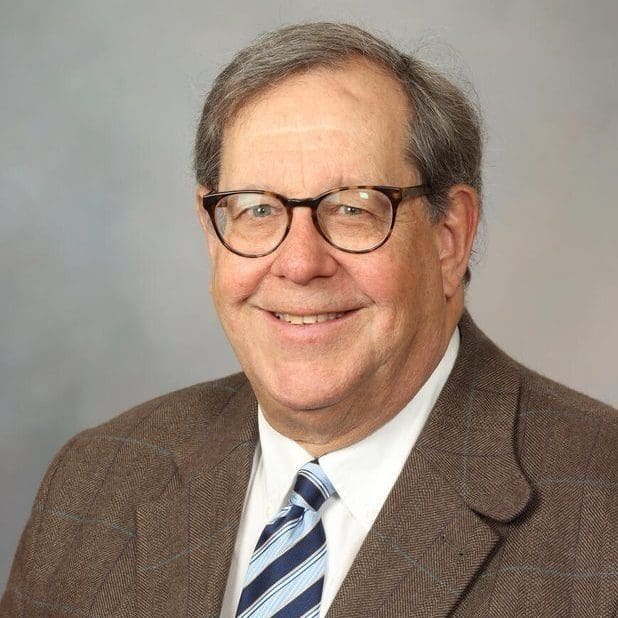
Dr. Oliver Sartor is medical oncologist and translational researcher with a special focus on prostate cancer over the past 33 years. He is currently Professor of Medical Oncology at the Mayo Clinic. His scholarly output includes more than 500 peer-review publications and he has led multiple national and international advanced prostate cancer trials including those phase III trials pivotal for FDA approval of samarium-153 (Quadramet), cabazitaxel (Jevtana), radium-223 (Xofigo), and Lu-177-PSMA-617 (Pluvicto). These trials have been practice-changing and have helped to shape the current therapeutic landscape in castration-resistant prostate cancer.
In addition to scholarly work, he has served in a variety of academic leadership positions. At the Mayo Clinic he is Director of Radiopharmaceutical Trials and was recently appointed as Chief of the Genitourinary (GU) Cancer Disease Group. Prior to that, at the Tulane University School of Medicine, he was the Associate Dean for Oncology and Medical Director of the Tulane Cancer Center. He served multiple terms on the Department of Defense (DOD) Prostate Cancer Integration Panel and was a past-Chairman of that committee. He also served a 5-year term on the Board of Scientific Counselors (Clinical and Epidemiology) at the National Cancer Institute.
He has served on numerous guideline and consensus committees including those convened by the AUA, AJCC, APCCC, and the Prostate Cancer Working Group (PCWG3/4).

Dr. Morris is a prostate cancer specialist, clinical investigator, and the Section Head of Prostate Cancer of the Genitourinary Oncology Service at Memorial Sloan Kettering Cancer Center. He earned his medical degree from the Mount Sinai School of Medicine in New York and performed his internship and residency in Internal Medicine at Columbia Presbyterian Medical Center. He then completed his medical oncology fellowship at Memorial Sloan Kettering Cancer Center, where is also was Chief Fellow.
Over the past several decades, Dr. Morris has had a particular research focus on targeted therapy for prostate cancer, especially those that bridge the fields of Medical Oncology and Nuclear Medicine. In the field of therapeutics, he has focused on tumor and bone-directed radiopharmaceuticals for prostate cancer, both as single agents and as combinatorial regimens. He was a member of the leadership team that developed Lu-177 PSMA-617, which is now FDA approved for men with advanced prostate cancer. He now leads research programs to develop new prostate-specific targets bearing new payloads using novel targeting agents. He has a research interest in developing novel imaging technologies for metastatic prostate cancer and in credentialing imaging biomarkers. He has been a co-developer of the Prostate Cancer Working Group 2 and 3 Consensus Criteria, and prostate-specific imaging technologies such as PSMA-directed PET imaging. In addition, he is the Medical Director of the Prostate Cancer Clinical Trials Consortium. He has long had an interest in novel methods of implementing prostate cancer clinical trials, and utilizing digital methods to reduce barriers to expertise, clinical care, and investigational studies.
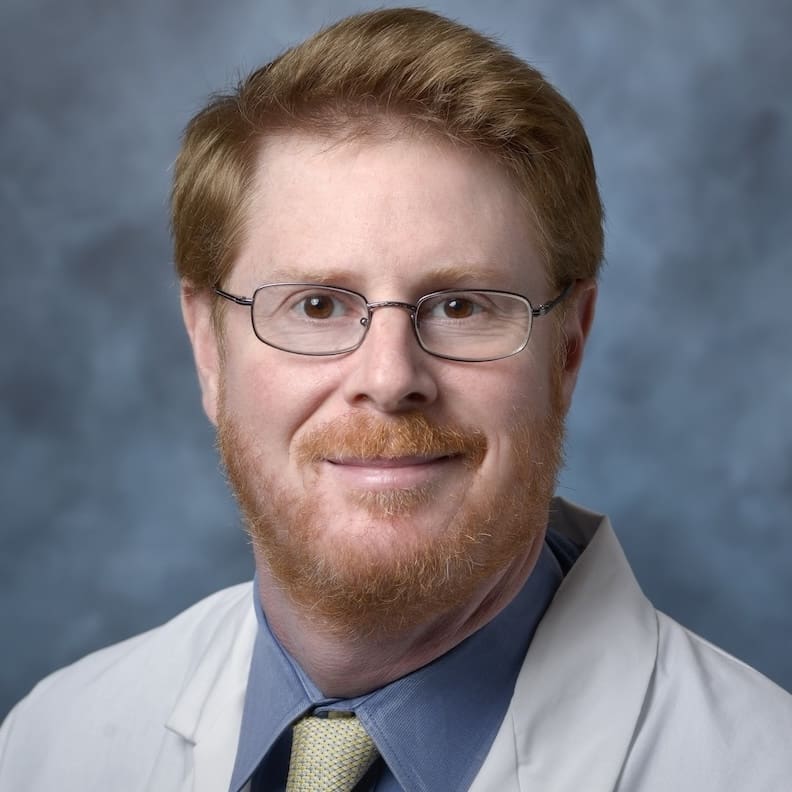
Dr. Stephen J. Freedland is an internationally recognized urologic oncologist whose research has transformed the understanding of prostate cancer etiology, disparities, and lifestyle interventions. He currently serves as Professor of Urology at Cedars-Sinai Medical Center in Los Angeles, where he holds the Warschaw, Robertson, and Law Families Chair in Prostate Cancer and directs the Center for Integrated Research on Cancer and Lifestyle.
Dr. Freedland’s work spans molecular profiling, cancer disparities, and dietary and metabolic interventions in prostate cancer, and he has served as global principal investigator for multiple phase III trials, including the EMBARK (Pfizer/Astellas) and ATLAS (Janssen) studies. He has received over $35 million in competitive federal research funding as Principal Investigator and has authored more than 500 peer-reviewed publications, with over 50,000 citations and an h-index of 108.
He began his academic career at Duke University, where he earned tenure and served in numerous leadership roles, including Associate Director for Clinical Research for the Genitourinary Cancer Program and Director of the Duke KURe Scholars Program. In 2015, he joined Cedars-Sinai, where he continues to lead clinical research programs focused on survivorship, racial disparities, and novel therapeutic strategies.
Dr. Freedland is a board-certified urologist and a Fellow of the American Society of Clinical Investigation. He serves on editorial boards for leading journals, including Nature Reviews Urology, Cancer Prevention Research, and Translational Andrology and Urology, and was formerly Editor-in-Chief of Prostate Cancer and Prostatic Diseases. His dedication to mentorship, patient-centered care, and scientific rigor has earned him widespread recognition, including the Golden Apple Award for resident teaching and multiple outstanding reviewer and research awards.
Dr. Freedland received his M.D. from the University of California, Davis, followed by urology residency at UCLA and a fellowship in urologic oncology at Johns Hopkins. He is passionate about translating research into improved outcomes for all patients with prostate cancer, with particular focus on underserved and at-risk populations.
Diane Reidy-Lagunes is an Associate Attending at Memorial Sloan Kettering Cancer Center and
Associate Professor of Clinical Medicine at Cornell Weill Medical College, NY Presbyterian. She is the creator and host of the breakthrough monthly podcast Cancer Straight Talk from MSK
where she leans in and tackles the subject of cancer head on.
Associate Professor of Clinical Medicine at Cornell Weill Medical College, NY Presbyterian. She is the creator and host of the breakthrough monthly podcast Cancer Straight Talk from MSK
where she leans in and tackles the subject of cancer head on.
A noted clinical investigator, Diane served previously as President of MSK’s Medical Staff. She currently serves as Vice Chair in the Department of Medicine. During the COVID crisis in NYC, she served as Chief of Clinical Care as part of the Hospital Incident Command System. As a researcher, she focuses on developing treatments of neuroendocrine and adrenal malignancies. She is a member of the National Cancer Institute Taskforce and a member of the National Cancer Care Network Guidelines. She is the recipient of several honors, including the Paul Sherlock Teaching Award, Castle Connolly Top Doctors, and the American Cancer Society Mother of the Year Award. In addition, Diane maintains a high-volume GI Oncology clinic.
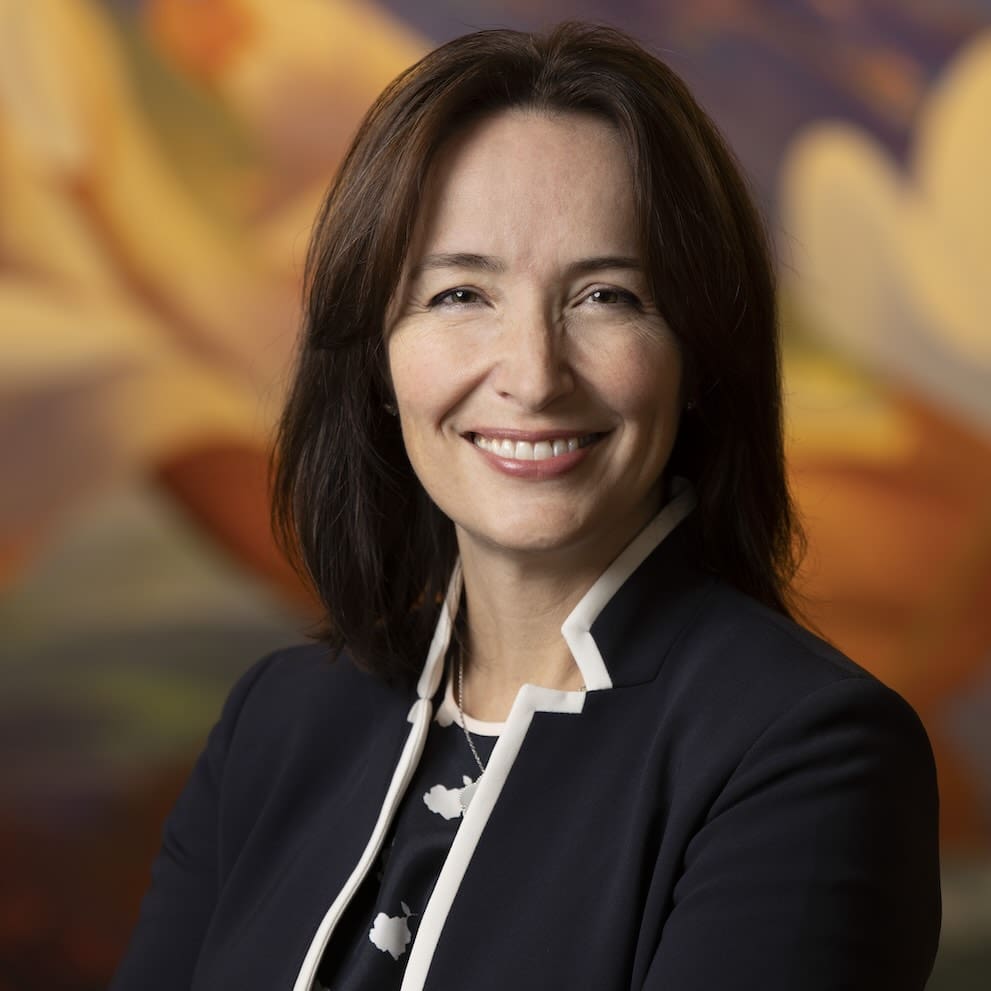
Dr. Pamela Kunz is an Associate Professor of Medicine in the Division of Oncology at Yale School of Medicine where she also serves as the Director of the Center for GI Cancers and Division Chief of GI Medical Oncology at Yale Cancer Center and Smilow Cancer Hospital. She received her medical degree from the Dartmouth Geisel School of Medicine. Her postgraduate training included a medical residency, chief residency, and oncology fellowship at Stanford University School of Medicine. Dr. Kunz is an international leader in the treatment and clinical research of patients with GI malignancies and neuroendocrine tumors (NETs). She holds several key leadership positions in the field including President Emeritus of the North American Neuroendocrine Tumor Society, recent past Chair of the Neuroendocrine Tumor Taskforce of the NCI and standing member of FDA’s Oncology Drug Advisory Committee. She was recently appointed Editor-in-Chief of JCO Oncology Advances. In addition to her focus on NETs, she is a leading voice for promoting diversity, equity and inclusion in medicine. She served as the Vice Chief of DEI for the Section of Medical Oncology at Yale School of Medicine and in 2021, she was awarded ‘Woman Oncologist of the Year’ by Women Leaders in Oncology for her work in promoting gender equity.
Background
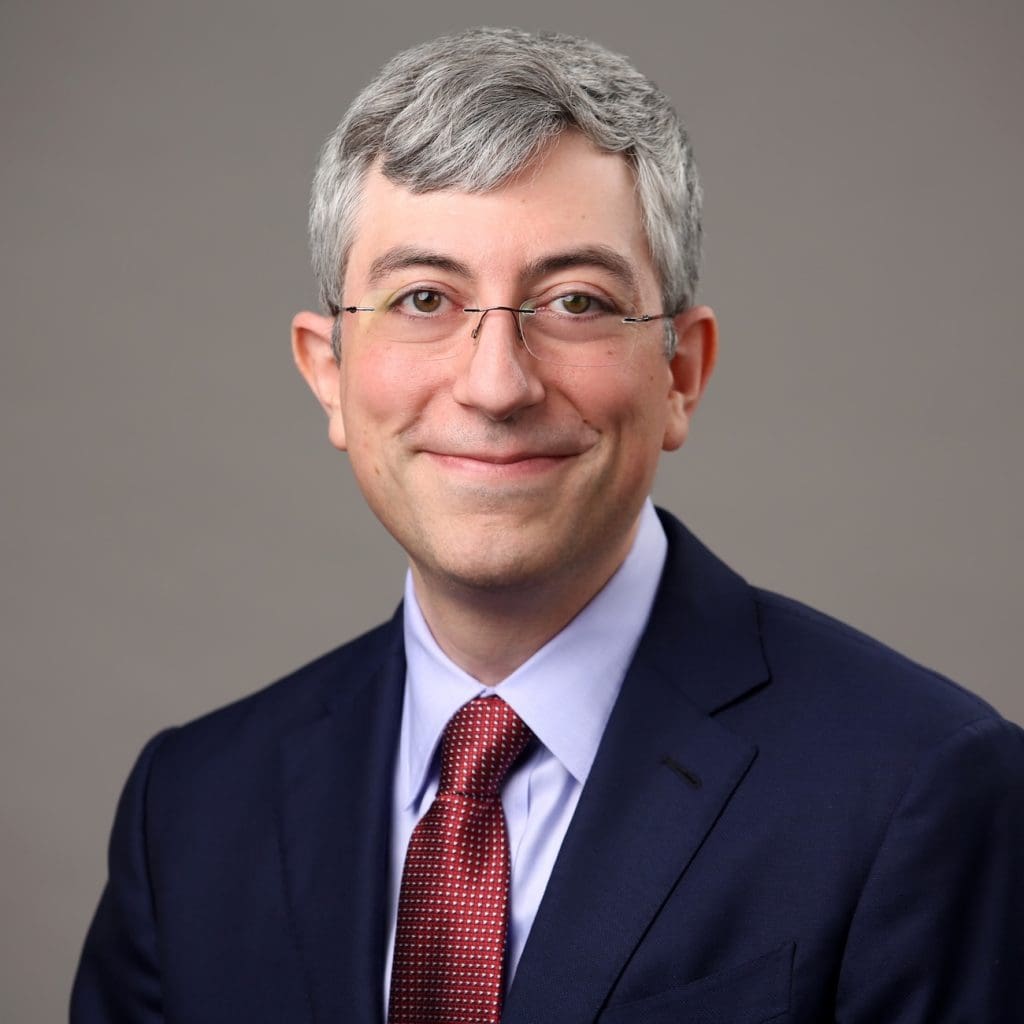
A board-certified medical oncologist, Daniel M. Halperin, MD, specializes in the treatment of neuroendocrine tumors (NETs). Dr. Halperin is a physician on the gastrointestinal oncology team at Winship Cancer Institute of Emory University.
A board-certified medical oncologist, Daniel M. Halperin, MD, specializes in the treatment of neuroendocrine tumors (NETs). Dr. Halperin is a physician on the gastrointestinal oncology team at Winship Cancer Institute of Emory University.
Dr. Halperin is an associate professor and serves as vice chair for clinical affairs in the Department of Hematology and Medical Oncology at Emory University School of Medicine. As vice chair of clinical affairs, he works with the department chair and other leaders to plan, communicate and execute Winship strategies and organizational goals in the clinical arena, and to support and direct the performance of physician faculty members in the department.
Dr. Halperin received his medical degree from Weill Cornell Medical College in New York City, New York. He completed his internal medicine residency at Brigham and Women's Hospital in Boston, Massachusetts and his medical oncology training at University of Texas MD Anderson Cancer Center in Houston, Texas.
Professional Memberships
Dr. Halperin serves on the Board of Scientific Advisors of the NET Research Foundation, the Scientific Advisory Committee of the Healing NET Foundation and the Board of Directors and Symposium Committee of the North American Neuroendocrine Tumor Society.
Research
As a clinical investigator, Halperin is dedicated to providing world-class clinical care and developing novel therapies for patients with neuroendocrine tumors (NETs), which are tumors that develop from a diffuse network of neuroendocrine cells that make and release hormones into the bloodstream to control essential bodily functions. He has played a leading role in clinical trials of immunotherapy and radioligands for patients with NETs. He also collaborates with laboratory and population scientists to deepen our understanding of the molecular basis and clinical presentation of neuroendocrine tumors.
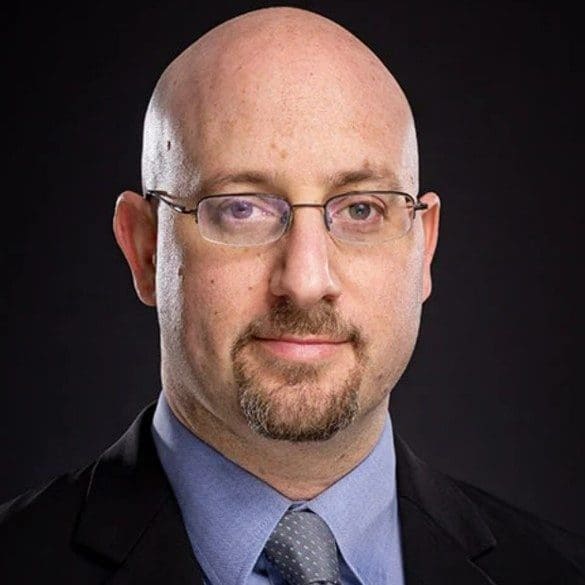
Dr. Jonathan Strosberg is a professor at Moffitt Cancer Center specializing in the management of neuroendocrine malignancies. He is a graduate of Harvard University and Cornell University Medical College and completed his residency and fellowship training programs at Georgetown University Hospital and Moffitt Cancer Center.
He leads Moffitt’s Neuroendocrine Tumor Division and Department of Gastrointestinal Oncology Research Program. Dr. Strosberg has published over 150 articles on the diagnosis and management of neuroendocrine malignancies, with first-author publications in the New England Journal of Medicine, Journal of Clinical Oncology, Annals of Oncology, Clinical Cancer Research and other major journals. He is a recipient of the National Cancer Institute’s Clinical Investigator Team Leadership Award. He also serves on the board of directors of the North American Neuroendocrine Tumor Society (NANETS), the Neuroendocrine Guidelines Committee of the National Comprehensive Cancer Network (NCCN) and the Neuroendocrine Task Force of the National Cancer Institute (NCI).
Professor Andrea Frilling is currently affiliated as Professor of Surgery and Chair in Endocrine Surgery with the Imperial College London, UK. She has received her primary medical education in Germany. After her general surgical training she specialized in endocrine surgery and hepato-pancreato-biliary surgery.
Her initial basic research signature areas in the field of endocrine surgery were differentiated thyroid tumors. She was a member of the research group at The University Cambridge, UK which made major contribution to the identification of genetic causative of MEN 2 and introduced the concept of presymptomatic genetic screening in family members at risk.
Gene-expression profiling and metabonomic profiling in intestinal neuroendocrine tumors with an aim to identify novel molecular based biomarkers and offer personalised treatment accounts for areas of her present research work.
She has received numerous awards including the von Langenbeck Price of the German Surgical Society, The Endocrine Society and Pfizer, Inc. International Award for Excellence in Published Clinical Research, and the Eminent Scientist of the Year 2012 award. She is the Past President of the European Surgical Association and member of several medical societies including IHPBA, E-AHPBA and ENETS /UKINETS. She acts as a reviewer for high-quality scientific journals such as Annals of Surgery, British Journal of Surgery and Lancet Oncology. She contributed to development of numerous guidelines and worked on consensus projects.
Her comprehensive clinical research is focusing on multimodal treatment of neuroendocrine tumors. Her group showed for the first time that neuroendocrine liver metastases appear in three different morphologic growth types which trigger the treatment decision and are predictive of outcome. In addition, she is intensively working towards clinical implementation of theranostics utilizing novel molecular imaging techniques and targeted treatment options for patients with advanced neuroendocrine disease. She is primary investigator for several clinical trials in neuroendocrine tumors. Together with an interdisciplinary group at the Imperial College London she successfully accomplished the ENETS certification programme for Centres of Excellence for Management of Neuroendocrine Tumors with an emphasis on early diagnosis, multimodal treatment and translational research.

Department of GI Medical Oncology The University of Texas MD Anderson Cancer Center, USA
Dr. Dasari has extensive experience in developing and conducting clinical trials for gastrointestinal malignancies with a particular focus on biomarker driven trials for colorectal and neuroendocrine malignancies. He currently serves as a principal investigator on several clinical trials and grants in these areas including as the national Pl on two trials (CIRCULATE-US, NCT05174169; JANUS, NCT05610163).
He spearheaded the development of fruquintinib, an oral VEGF inhibitor for patients with metastatic colorectal cancer starting from an initial dose finding phase I trial to the positive registration phase Ill trial that led to its approval. He has published over 150 articles in Lancet, JAMA Oncology and Journal of Clinical Oncology.
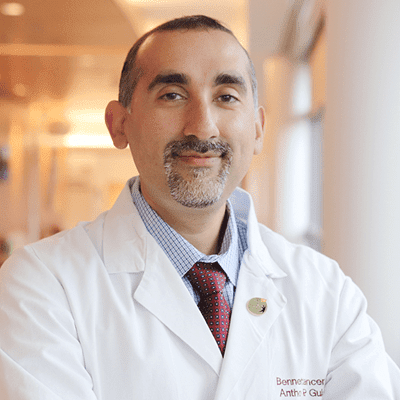
Dr. Anthony Gulati witnessed the evolution of oncology by watching his father practice medicine. After seeing the advances in the field and the great relationships his father developed with his patients, Dr. Gulati chose to practice oncology as well.
Dr. Gulati believes in a personal touch with his patients, striving to develop open communication and always remain accessible. He enjoys working with his patients to solve difficult treatment problems and offers personalized care to fit his patients’ needs.
After receiving his specialized fellowship training at Columbia University, Dr. Gulati chose to focus on treating patients with genitourinary, gastrointestinal, and neuroendocrine cancers. In 2015, Dr. Gulati was awarded the Rookie of the Year award in the Department of Medicine at Stamford Health for quality patient care during his first year of service. Dr. Gulati helps shape the future of oncology through clinical research and by serving as a clinical professor of medicine at Columbia University. He uses the latest treatments, including immunotherapy and clinical trials, to help his patients fight cancer.
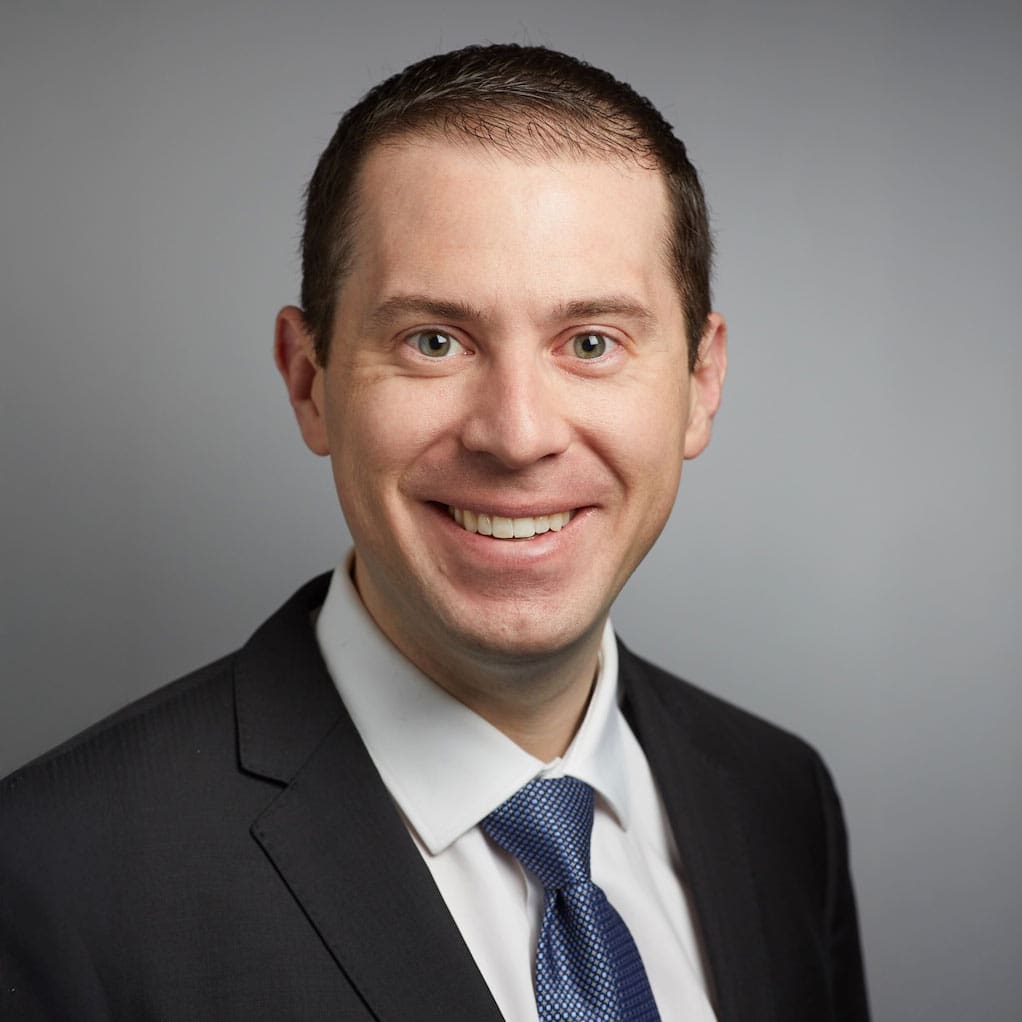
Dr. Michael Cecchini is an Associate Professor of Medicine (Medical Oncology) at the Yale Cancer Center at Yale University School of Medicine. He is a board-certified medical oncologist specializing in treatment for patients with advanced gastrointestinal (GI) cancers with an emphasis on colorectal cancer. His research is focused on early phase clinical trials developing novel therapies that are biomarker driven for patients with advanced GI cancers. Furthermore, he performs translational research to understand the relationship between DNA damage and the immune response to develop new biomarkers and treatment combinations for patients with advanced GI cancers. Dr. Cecchini is also co-director of the Colorectal Cancer Program and GI Oncology Clinical Research at Yale and is a member of the National Cancer Institute Colon Task Force. Dr. Cecchini has served as an investigator on numerous clinical trials and has authored multiple manuscripts evaluating novel treatment combinations in advanced GI cancers.
